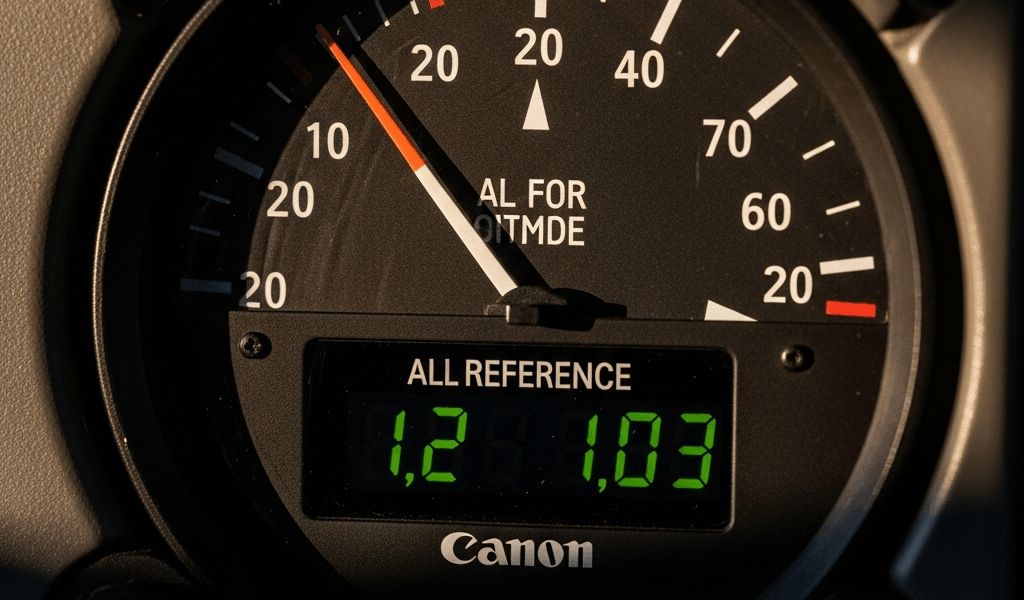
When the Altimeter Setting Is Technically Correct But Still Wrong
Altimeter accuracy has gotten complicated with all the procedural noise flying around. You copy the ATIS. You dial in the setting. The needle settles right where it should. Everything matches. Then you level off at what the instrument swears is 5,500 feet — except you’re actually at 5,200 feet, and that terrain below you looked a lot farther away five minutes ago.
But what is an altimeter setting error, really? In essence, it’s a gap between what your instrument measures and what that measurement actually means in the real atmosphere. But it’s much more than that — it’s a systematic failure that can happen even when you’ve followed every procedure correctly.
Barometric altimeters don’t measure altitude. They measure air pressure. The setting you dial in — usually something like 30.12 inHg — tells the instrument: assume this pressure equals sea level, then calculate height based on surrounding pressure. That works perfectly when air temperature is standard. 59°F at sea level. Dropping 3.5°F per thousand feet. Real air almost never cooperates with those assumptions.
Cold air is denser than standard air. Denser air compresses differently with altitude. On a 15°F day at a 7,000-foot elevation airport, you can be sitting 300 feet lower than your altimeter indicates. Probably should have opened with this section, honestly — it’s the single most dangerous altimeter scenario I’ve encountered in conversations with other pilots and in the accident reports I’ve read through over the years.
Standard pressure drops roughly 0.1 inHg for every 900 feet under normal conditions. Drop the temperature 20°F below standard, and that same pressure change happens in about 850 feet instead. The instrument’s mechanical gears don’t know the difference. They read pressure, convert it assuming everything is average, and hand you numbers that are perfectly synchronized with a false baseline. That’s what makes altimetry so quietly dangerous to pilots who trust their instruments completely.
The Three Settings That Trip Up Experienced Pilots
Using an altimeter setting from a station too far away
The ATIS at your destination broadcasts the current altimeter setting. Gold standard — right? Not always. Pressure gradients are real, measurable, and they shift with distance and weather. Flying into an airport 80 miles from the ATIS station while a warm front has already reached your position — but sits 40 miles short of the broadcast origin — means the pressure at your location might run 0.15 inHg higher than what ATIS is reporting. Set your altimeter to a number assuming lower pressure and you’re flying 150 feet higher than you think you are.
I ran into this inbound to a regional strip in Colorado. The ATIS was from the main airport, roughly 70 miles out. Good setting for them. Wrong for me. I was descending toward terrain I had plotted at 6,500 feet. My actual altitude was closer to 6,650 feet — fine in isolation, but the margin was smaller than my planning assumed. I caught it only because my GPS track disagreed with indicated altitude by the time I was already established in the descent. Don’t make my mistake.
Flying into a low-pressure system without updating in time
Fronts move. A strong low can travel 40 miles per hour — sometimes faster. Copy an altimeter setting at 9:15 AM, skip the update until 9:45 AM, and pressure at your location may have dropped 0.05 to 0.10 inHg in that window. That’s 50 to 100 feet of indicated error right there. On approach, it stacks. Multiple descent segments without an update and you’re 200-plus feet lower than indicated by the time you’re inside the clouds, briefed on minimums that no longer mean what you think they mean.
Forgetting temperature correction on cold-weather approaches
The FAA publishes cold temperature correction tables for exactly this reason. Below −10°C — that’s 14°F — the published tables tell you to add a correction to your target altitude to stay legally clear of terrain. Most pilots know the rule exists. Most don’t apply it consistently because the correction feels abstract in the moment. Add 200 feet to minimums when it’s this cold? The reasoning is completely sound, but it requires deliberate discipline to execute, especially when you’re tired or the approach feels routine.
The data is unambiguous. On a −15°C day at a 5,000-foot airport, true altitude runs roughly 350 feet lower than indicated. The published minimums don’t account for this. The correction does. That gap is not theoretical — it’s a physical property of cold, dense air that your altimeter mechanically cannot detect.
How Pressure Gradients Move Faster Than ATIS Updates
ATIS refreshes every hour, more often if conditions shift significantly. Most pilots update altimeter settings every 30 minutes or so during cross-country flight. Sounds reasonable — until you factor in that a rapidly moving pressure system can change local pressure by 0.10 inHg in 20 minutes flat. You updated 15 minutes ago. You’re current by every standard measure. You’re also 100 feet off and have no idea.
The lag is structural, and it doesn’t have a clean fix. ATIS gets recorded at the airport, broadcast outward, received by you — assuming your radio is dialed correctly and you copied it without error — and then interpreted against current conditions. That entire chain takes time. Meanwhile, actual pressure at your location changes continuously. During severe weather, near squall lines or rapid frontal passages, this lag stops being a minor footnote and becomes operationally significant.
NTSB accident data doesn’t typically list “incorrect altimeter setting” as a primary cause — it’s almost always a contributing factor layered under pilot fatigue, degraded terrain awareness, deteriorating visibility. But the pattern emerges clearly when you read the incident narratives directly: pilots descend to published minimums inside a low-pressure system that moved faster than their last ATIS update, and the margin between minimums and terrain quietly compresses. Usually nothing happens. Sometimes it does. That’s what makes altimeter complacency so enduring as a risk for us pilots who fly it every week and never see the close call coming.
Catching the Error Before It Bites You
So, without further ado, let’s dive in.
- Cross-check indicated altitude against GPS altitude every 15 minutes during descent. A 200-foot discrepancy is normal atmospheric variance. Anything larger — get an updated altimeter setting before continuing.
- Request the current altimeter setting directly from ATC rather than relying solely on ATIS during active weather. Just say: “Request current altimeter setting for my position.” Controllers pull from more granular pressure data than broadcast ATIS carries.
- On any approach day with temperatures below 14°F, pull the FAA cold temperature correction chart — it’s in the Instrument Procedures Handbook — and apply the correction explicitly to your minimums before you descend. Write the corrected altitude on your approach plate in ink.
- Flying into an airport more than 60 miles from the ATIS broadcast location? Ask approach control whether the ATIS setting is accurate for your position or if they’d recommend something different. Takes ten seconds.
- I’m apparently a note-taker in the cockpit and writing things down works for me while mental math never does under workload. Note your altimeter setting, QNH, and outside air temp early. If temperature drops 20°F during descent while pressure drops 0.15 inHg, two variables are compounding your error risk simultaneously.
What the Data Says About Altimeter-Related Incidents
The Aviation Safety Reporting System receives roughly 80 to 100 reports per year involving altimeter setting errors or altitude discrepancies. Most resolve safely — pilots or ATC catch them in time. A subset escalate: altitude deviations on approach, loss of separation, terrain proximity events.
The common thread is striking. These aren’t student pilot errors. The average pilot filing an altimeter-related ASRS report carries 3,500-plus flight hours. Competence, experience, standard procedures — all present. They still get caught, because cold temperature plus rapid pressure change plus procedural familiarity breed exactly the kind of complacency that procedures alone can’t always prevent.
While you won’t need perfect atmospheric conditions every flight, you will need a handful of active habits — GPS cross-checks, temperature corrections, frequent setting updates — applied consistently, not just when the weather looks interesting. Your altimeter setting is only correct if the atmosphere cooperates with the assumptions baked into the instrument. When it doesn’t, the instrument lies through no fault of its own or yours. That gap between correct procedure and correct altitude is real, measurable, and closeable. Close it before descent.


Stay in the loop
Get the latest aviation data updates delivered to your inbox.