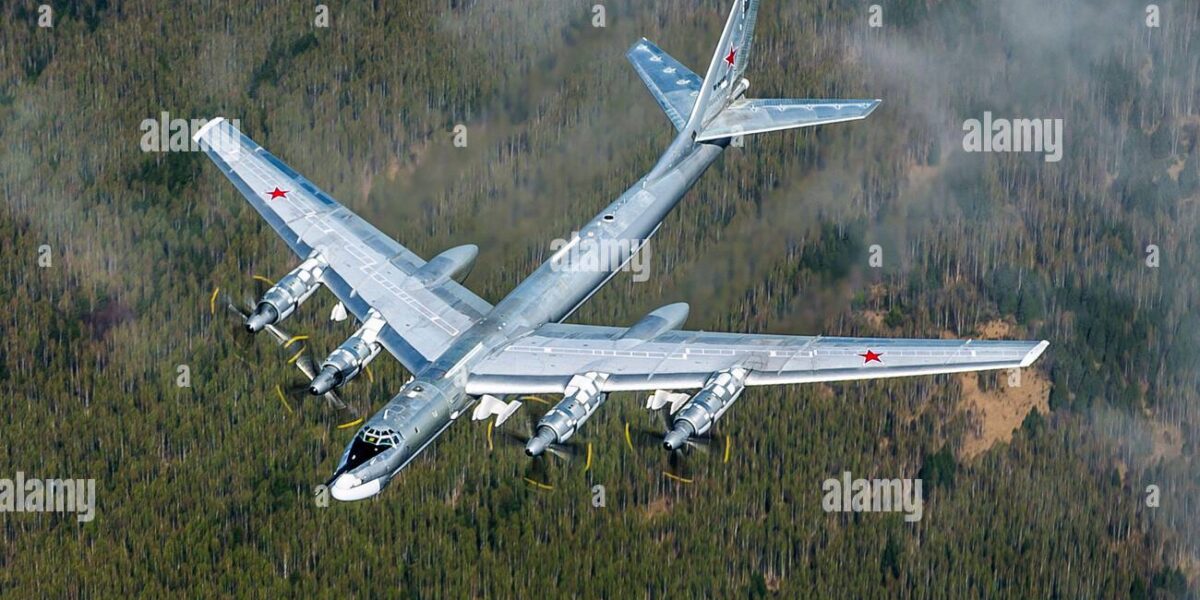
Cold War bomber design has gotten complicated with all the propaganda and competing narratives flying around. As someone who’s studied Soviet aviation history for years, I learned everything there is to know about the Tu-16 Badger. Today, I’ll share why this aircraft matters more than most people realize.
Probably should have led with this: the Tu-16 is one of the most successful military aircraft designs in history. First flew in 1952, and versions of it—heavily modified but sharing that basic DNA—are still flying combat missions today. That’s over seven decades of operational service.
Where the Badger Came From
Stalin’s Soviet Union wanted bombers that could hit the continental United States. The Tu-4—essentially a reverse-engineered B-29—wasn’t going to cut it. Too slow, too short-ranged for the nuclear delivery mission the Cold War demanded.
Andrei Tupolev’s design bureau delivered something radical for 1952: a swept-wing jet bomber with enough range to threaten Europe and enough payload to carry the atomic bombs of the era. Those twin Mikulin AM-3 turbojets—mounted in the wing roots rather than underwing pods—gave the Tu-16 a clean aerodynamic profile that influenced bomber design for years afterward.
Why It Kept Getting New Jobs
That’s what makes the Tu-16 endearing to military aviation historians—the same basic airframe handled a dozen different missions across seventy years.
The bomber version, Tu-16A, could deliver nuclear weapons. But the Soviets quickly realized the airframe could do more. The Tu-16K carried anti-ship missiles and became a major threat to Western carrier battle groups. The Tu-16RM flew reconnaissance missions gathering intelligence across the world’s oceans. The Tu-16E jammed enemy radars and communications.
Each variant started with that same elegant swept-wing design and adapted it for new purposes. The airframe was that good.
The Chinese Connection
China received Tu-16s in the 1950s and then did something clever: they kept building them. The Xian H-6 started as a license-built copy but evolved into something distinctly Chinese over the decades. The latest H-6K and H-6N variants carry cruise missiles and potentially hypersonic weapons. They’re still operational, still receiving upgrades, still flying missions that concern the Pentagon.
The DNA of Tupolev’s 1952 design lives on in aircraft that launched missiles in combat exercises last year. That’s remarkable longevity.
Numbers That Matter
- Crew: 6 to 7, depending on variant
- Length: 34.8 meters
- Wingspan: 33 meters
- Max Speed: 1,050 km/h—fast for a bomber
- Range: 7,200 km—enough to threaten most targets without refueling
- Service Ceiling: 12,800 meters
- Weapons: Bombs, missiles, electronic warfare equipment depending on variant
Global Reach
The Soviet Union exported Tu-16s to allies and client states throughout the Cold War. Egypt operated them during the 1967 and 1973 wars with Israel. Iraq used them in the Iran-Iraq War. Indonesia flew them for decades.
Each operator modified the aircraft for local needs. Some added new avionics. Others integrated different weapons. The basic design proved adaptable enough to serve air forces with very different requirements and maintenance capabilities.
What Made It Last
The Tu-16 worked because Tupolev’s team got the fundamentals right. The swept wing and engine placement created efficient cruise characteristics. The internal volume accommodated various payloads. The structure proved strong enough for continuous modification and upgrade.
Later Soviet bombers—the Tu-22 and Tu-22M—looked more impressive but proved harder to maintain and operate. The Tu-16 just kept working. Sometimes boring reliability beats flashy performance.
The Lesson
Aviation history remembers the exotic aircraft—the SR-71, the XB-70, the cutting-edge prototypes. But the Tu-16 represents something equally important: a design so fundamentally sound that it remained useful for generations.
Variants of this seventy-year-old bomber still patrol the Pacific. That’s not nostalgia or poverty—China could afford new designs. It’s recognition that the original got something fundamentally right.
Recommended Aviation Gear
David Clark H10-13.4 Aviation Headset – $376.95
The industry standard for aviation headsets, trusted by pilots worldwide.
Pilots Handbook of Aeronautical Knowledge – $25.42
The official FAA handbook – essential reading for every pilot.
As an Amazon Associate, we earn from qualifying purchases.


Stay in the loop
Get the latest aviation data updates delivered to your inbox.