
Rosemount Aerospace: What You Should Know
Aerospace sensor technology has gotten complicated with all the acquisitions and corporate reshuffling flying around. Let me break it down.

A Quick History Lesson
Rosemount got its start back in the mid-20th century, and they built their reputation on one thing: reliable temperature sensors for aircraft. Military and commercial operators both trusted their products, and for good reason. These sensors had to work perfectly in conditions that would destroy most electronics — extreme cold at altitude, vibration, rapid pressure changes. Over time, they expanded well beyond temperature sensors into a full suite of aerospace instrumentation.
What They Actually Make
Rosemount’s product line falls into a few key categories:
- Pressure Sensors: These are the workhorses. Pilots depend on them for altitude readings, airspeed data, and other critical measurements. Get these wrong and you’re flying blind — almost literally.
- Temperature Sensors: Found throughout the aircraft, especially in and around the engines. You don’t want engine temps going unchecked. That’s how you get unplanned landings in farmer’s fields.
- Flight Test Equipment: When manufacturers are testing new aircraft designs, they need instrumentation that’s more precise than what goes into production models. Rosemount supplies that too.
Why Their Tech Matters
Their sensors with integrated processing capabilities could provide more accurate data and better reliability than competitors. They also pioneered wireless sensor tech for aircraft, which is a bigger deal than it sounds. Less wiring means less weight, fewer failure points, and easier maintenance.
Commercial Aviation Applications
In the commercial world, Rosemount sensors are everywhere. Pressure and temperature sensors are embedded throughout the aircraft, feeding real-time data to the cockpit and to maintenance crews on the ground. This information drives decisions during flight and helps schedule preventive maintenance. I’ve talked to A&P mechanics who say they can sometimes predict component failures weeks in advance just from sensor trend data. That’s pretty remarkable when you think about it.
Military Side of Things
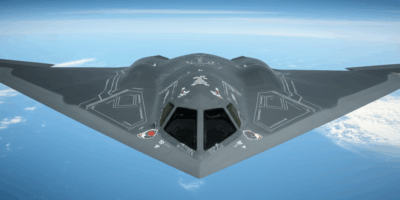
Rosemount sensors show up in fighters, bombers, tankers, transports — basically anything with wings and a government contract. Military environments are even harsher than commercial ops. These sensors have to perform in combat conditions, extreme weather, and at operational tempos that would burn through consumer-grade equipment in days.
The Quality Question
Every Rosemount sensor goes through rigorous testing before it ships. I know that sounds like marketing speak, but in aerospace, testing protocols are genuinely intense. We’re talking thermal cycling, vibration tables, salt spray exposure, altitude chambers. If a sensor can’t handle the worst conditions it’ll ever face, it doesn’t make it into an aircraft. Period.
Integration with Modern Avionics
Modern cockpits are data-hungry. Glass panels and integrated avionics suites need constant, accurate feeds from multiple sensor types. Rosemount’s products plug into these systems and provide the critical data that helps pilots navigate and manage aircraft systems. The demand for high-quality sensors has only increased as avionics get more sophisticated.
R&D Investment
One thing I respect about Rosemount is their commitment to research. They collaborate with universities and research institutions on new materials and sensor technologies. This isn’t just incremental improvement — they’re exploring fundamentally different approaches to measurement that could reshape the industry over the next decade or two.
The Environmental Angle
With the aerospace industry increasingly focused on sustainability, sensors play a bigger role than you’d expect. Rosemount is developing sensor tech that helps reduce emissions and improve fuel efficiency. Better data means better engine tuning, which means less fuel wasted. It’s not flashy, but it adds up across an entire fleet.
Global Footprint
Rosemount sensors are used by airlines and military forces worldwide. That global presence isn’t just about sales — it feeds back into their engineering. The more environments and operating conditions they encounter, the better their products become. It’s a virtuous cycle that benefits everyone flying with their equipment.
Regulatory Compliance
Aerospace is one of the most regulated industries on the planet, and Rosemount’s products comply with standards set by the FAA, EASA, and other authorities globally. That compliance isn’t optional — it’s the price of admission for any component that goes into a certified aircraft.
Support and Training
Rosemount doesn’t just sell sensors and walk away. They provide extensive training and support to maintenance crews. Proper installation and calibration matter enormously with precision instruments, so this support isn’t a nice-to-have — it’s essential for getting accurate readings in the field.
What’s Next
Looking forward, Rosemount Aerospace is pushing into new territory: UAV sensors, space applications, and next-generation measurement technologies. Their track record of innovation and quality puts them in a strong position for whatever the aerospace industry throws at them next. I’ll be watching closely.



Stay in the loop
Get the latest aviation data updates delivered to your inbox.