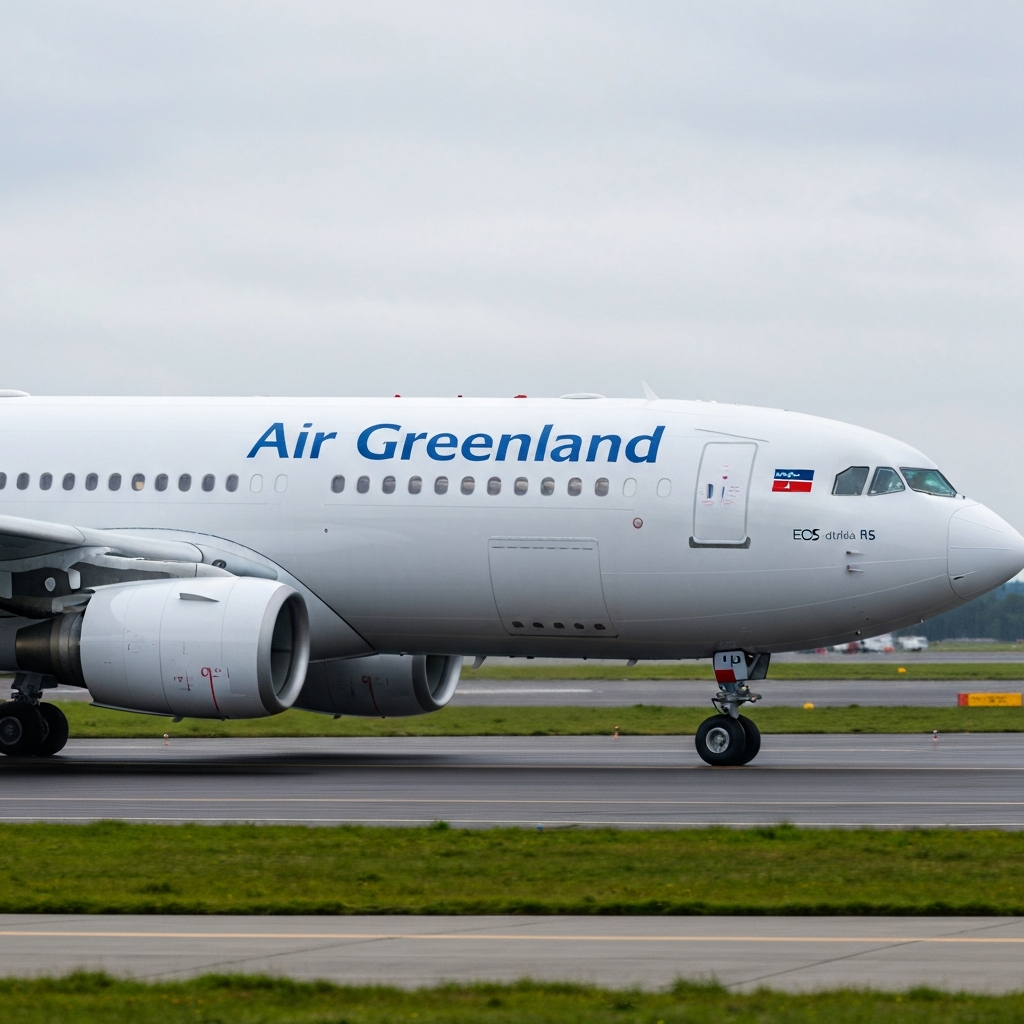
Air Greenland picked up the A330-800neo and it makes a lot of sense for what they do. Here’s why.
The Geography Problem
Greenland is remote. Really remote. Flying from Nuuk or Kangerlussuaq to Copenhagen is a serious haul. You need range and you need efficiency because fuel costs hit hard when you’re operating from isolated airports.
The A330-800neo delivers on both counts.
The Aircraft
Powered by Rolls-Royce Trent 7000 engines. Significantly better fuel burn than older A330s. Range of over 8,000 nautical miles which covers their routes comfortably.
It’s the smaller variant in the A330neo family. Lower capacity but that works for routes where demand isn’t massive. Quality over quantity approach.
Cabin Configuration
Air Greenland isn’t cramming maximum seats in. They’re running a comfortable layout with decent pitch in economy. Business class exists and is fine without being luxurious.
For the passenger, it means a long flight that doesn’t destroy you. Improved cabin pressure and humidity compared to older aircraft help too.
Why It Matters
This isn’t just an equipment upgrade. It’s strategic positioning. Air Greenland can now offer direct long-haul service that competes with connecting through Iceland or Denmark.
Fuel efficiency helps keep ticket prices reasonable on routes that would otherwise be brutally expensive to operate.
The Sustainability Angle
Air Greenland is pushing this as an environmental upgrade too. Lower emissions per passenger-mile compared to what they were flying before. In a region where climate change is visible and present, that messaging lands differently.
Bottom Line
Smart aircraft choice for a unique operating environment. The A330-800neo isn’t the sexiest plane but it’s right-sized for Air Greenland’s mission – connecting one of the most isolated populations on earth to the rest of the world efficiently.


Stay in the loop
Get the latest aviation data updates delivered to your inbox.