
Combat rescue helicopters have gotten complicated with all the competing requirements and budget pressures flying around. Today, I’ll share why this helicopter matters.
Every design decision flows from that mission.
Why a New Helicopter
The HH-60G Pave Hawk served combat rescue since the 1980s. Good helicopter. But by 2014, its systems were obsolete, its airframe was tired, and the missions kept getting harder. The Air Force needed something that could fly farther, survive longer, and bring more capability to the rescue.
Sikorsky won the contract. They’d been building UH-60 Black Hawks for decades, so the basic airframe was proven. The challenge was turning a utility helicopter into a combat rescue platform without making it too heavy to fly.
What Makes It Different
That’s what makes the Jolly Green II endearing to rescue crews—it does everything the Pave Hawk did, but better, while adding capabilities that weren’t technically possible before.
The armor is integrated rather than bolted on. The fuel tanks are larger but crash-worthy. The avionics use modern glass cockpit displays instead of 1980s instruments. The self-defense systems can detect and respond to threats the old sensors couldn’t see.
Performance that matters:
- Range: About 450 nautical miles with external tanks—enough to reach deep into enemy territory and return
- Speed: Around 160 knots—not fast for a helicopter, but fast enough
- Engines: Twin T700-GE-701D turboshafts provide power margin for hot, high, heavy operations
- Refueling: Air-to-air refueling capability extends range indefinitely for long missions
The Crew That Flies It
Standard crew runs two pilots, a flight engineer, and two special missions aviators running the guns. Five people to fly the helicopter, shoot back at threats, and handle the actual rescue. The cabin can carry 11 troops or configure for medical evacuation with litters and equipment.
Combat rescue isn’t about flying the helicopter. It’s about everything that happens when you get to the survivor. The HH-60W carries equipment for all of it—rescue hoists, cutting tools, medical gear, and the weapons to keep everyone alive while the rescue happens.
Flying in Modern Cockpits
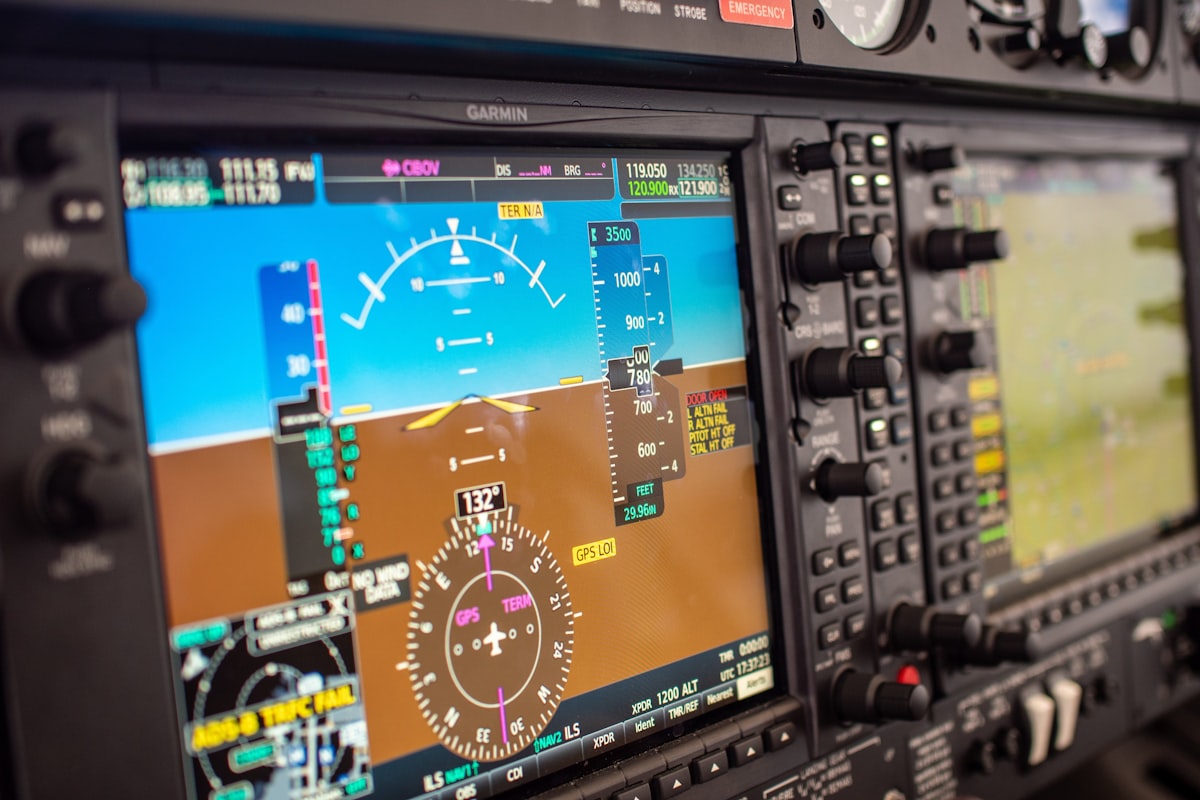
The Pave Hawk cockpit looked like 1980s military: steam gauges, analog displays, switches everywhere. The Jolly Green II cockpit looks like 2020s technology: large touchscreens, integrated displays, and automation that reduces pilot workload.
Reduced workload matters because rescue missions are complex. Pilots need brain capacity for the tactical situation, not for interpreting instruments. The modern avionics handle routine flying tasks so the crew can focus on not dying and saving lives.
More Than Combat Rescue
The primary mission is combat search and rescue—CSAR in military terminology. But the helicopter can do more:
Medical evacuation when ground routes are blocked. Disaster relief when civilian helicopters can’t operate. Humanitarian missions in hostile areas. Personnel recovery behind enemy lines. The flexibility comes from having a capable platform with a trained crew.
What They Had to Solve
Adding armor adds weight. Adding fuel adds weight. Adding better avionics adds weight. At some point, the helicopter won’t fly. Sikorsky’s engineers had to balance every improvement against the weight penalty.
Their solution: make everything do double duty where possible. Structural components that also provide ballistic protection. Fuel tanks designed into the structure rather than added to it. Integrated systems rather than boxes bolted to boxes.
Training for the New Bird
Transitioning from HH-60G to HH-60W isn’t just learning a new helicopter. The avionics work differently. The automation requires different procedures. The expanded capabilities demand new tactical training.
Simulator time handles most of the initial learning. Flying expensive helicopters for basic training wastes money and aircraft life. Once crews understand the systems, they move to actual aircraft for the skills that simulators can’t teach—hovering in brownout conditions, aerial refueling at night, live weapons employment.
The Mission Continues
Pararescuemen—the Air Force’s elite rescue specialists—have been pulling people out of bad situations since World War II. “That Others May Live” remains the motto. The Jolly Green II gives them a better platform for that eternal mission.
The helicopter is just the tool. The people flying it and jumping from it are what make combat rescue work. Better tools help them do their jobs without becoming casualties themselves.
Recommended Aviation Gear
David Clark H10-13.4 Aviation Headset – $376.95
The industry standard for aviation headsets, trusted by pilots worldwide.
Pilots Handbook of Aeronautical Knowledge – $25.42
The official FAA handbook – essential reading for every pilot.
As an Amazon Associate, we earn from qualifying purchases.


Stay in the loop
Get the latest aviation data updates delivered to your inbox.