
The Airbus A330: A Complete Guide
Wide-body aircraft comparisons have gotten complicated with all the neo variants and competing models flying around. The A330 doesn’t get the glamour of newer types, but it’s been quietly one of the most successful aircraft programs in history. Here’s the full picture.
The Origins
Airbus started developing the A330 in the late 1980s. They needed a versatile widebody for both regional and long-haul operations. Smart move: they shared components with the A340, which cut production costs and simplified the manufacturing process. The A330-300 entered service with Air Inter in January 1994. The longer-range A330-200 followed in 1998.
The Numbers
- A330-200: Up to 247 passengers in three-class, range of approximately 13,450 km (7,250 NM).
- A330-300: Up to 290 passengers in three-class, range of around 11,750 km (6,350 NM).
Engine options include Rolls-Royce Trent 700, GE CF6-80E1, or Pratt & Whitney PW4000. Having three engine choices was unusual and gave airlines flexibility in their procurement and maintenance strategies.
Design Philosophy
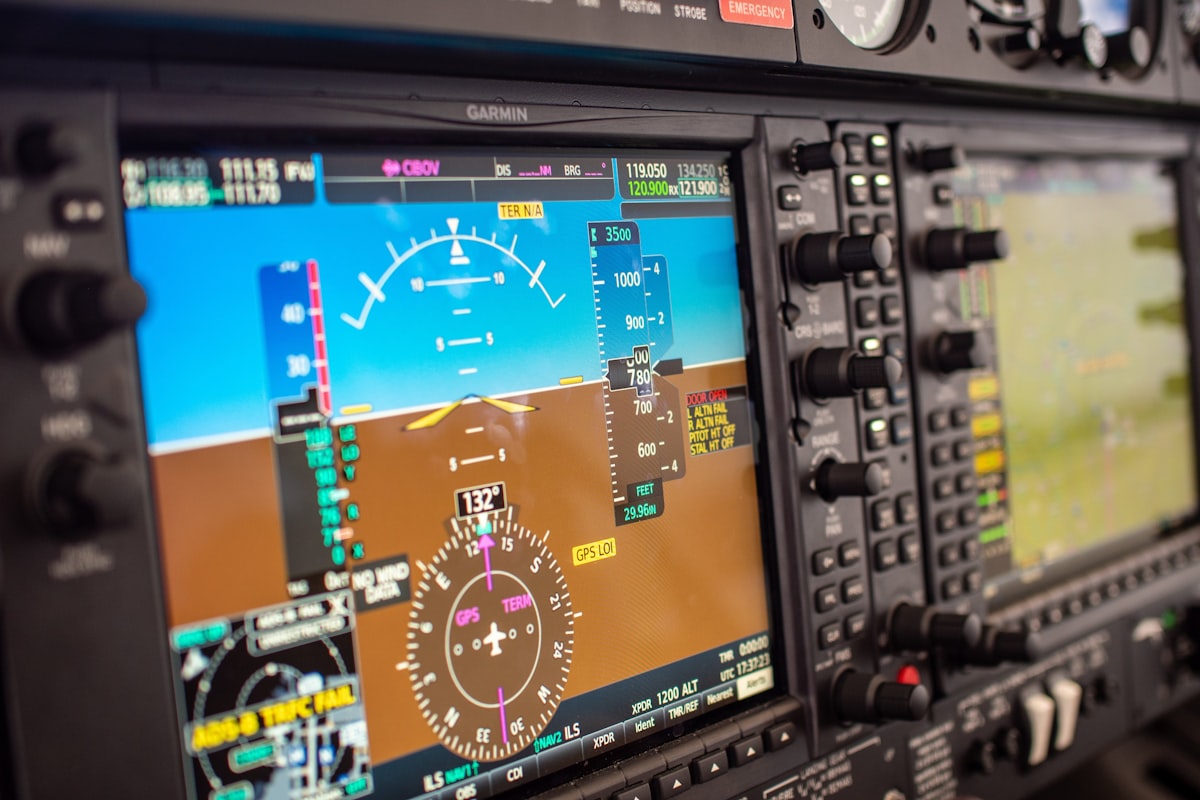
Wide-body fuselage with fly-by-wire controls and side-stick controllers — standard Airbus DNA. The cockpit layout mirrors other Airbus types, which makes pilot transitions between models straightforward. The cabin is spacious and quiet, configurable for diverse market needs. Advanced aerodynamics including winglets reduce drag and improve fuel efficiency.
The Variant Family
- A330-200: The long-range specialist. Ideal for thinner routes that need widebody comfort over long distances.
- A330-300: Higher capacity for dense medium to long-haul routes.
- A330 MRTT: Military multi-role tanker transport. Aerial refueling capability makes it valuable for defense customers worldwide.
- A330neo: The modern refresh. New Trent 7000 engines, improved aerodynamics, extended range, lower fuel consumption.
This flexibility is the A330’s superpower. One platform serving passenger, cargo, and military roles across multiple range categories.
How It Performs
Airlines value the A330 for fuel efficiency, reliability, and lower operating costs versus quad-engine alternatives. The twin-engine design means less maintenance overhead and higher utilization rates. Dispatch reliability is excellent — this is a dependable aircraft that earns its keep.
The A330neo takes these strengths and amplifies them. Trent 7000 engines and aerodynamic refinements deliver significant fuel savings and range extension. It’s keeping the A330 competitive against newer types.
Safety Track Record
Strong safety record backed by stringent design standards. Fly-by-wire technology provides built-in protections. Multiple system redundancies ensure continued safe operation if components fail. The aircraft has proven itself across millions of flight hours in diverse conditions.
Who Flies It
Delta Air Lines, Qatar Airways, Lufthansa, and many others operate significant A330 fleets. Over 1,500 delivered worldwide across all continents. The A330neo extends the customer base further, and the MRTT serves multiple air forces. That’s a breadth of adoption that few aircraft programs can match.
The Passenger Perspective
From a traveler’s standpoint, the A330 delivers a comfortable ride. The cabin width accommodates standard 2-4-2 seating in economy, which many passengers prefer over the 3-3-3 configuration found on some competing types. Airlines have invested in modern IFE systems and cabin refreshes that keep the A330 feeling current despite its 1990s origins.
Business class products on the A330 vary widely by operator, but the fuselage width gives airlines good options for lie-flat seating with direct aisle access. I’ve flown A330 business class on several carriers and consistently found the space well-utilized. The aircraft’s quiet ride quality adds to the comfort, especially on longer sectors.
Sustainability
The A330 was designed with fuel efficiency in mind, and the neo variant pushes that further with next-generation engine technology and aerodynamic improvements. The result: substantial CO2 reductions per passenger-kilometer compared to previous generations. Airbus continues developing materials and technologies to reduce the environmental footprint even further.
What’s Ahead
The A330 family remains relevant and in demand. The neo variant meets evolving efficiency and environmental requirements. New configurations and improvements keep it competitive. With over 1,500 aircraft delivered and a well-established service record, the A330’s position as a fleet cornerstone for carriers worldwide looks secure for years to come.
Recommended Aviation Gear
David Clark H10-13.4 Aviation Headset – $376.95
The industry standard for aviation headsets.
Pilots Handbook of Aeronautical Knowledge – $25.42
Essential FAA handbook for every pilot.
As an Amazon Associate, we earn from qualifying purchases.



Stay in the loop
Get the latest aviation data updates delivered to your inbox.