A321 vs 757: The Full Comparison
Narrow-body aircraft debates have gotten complicated with all the neo variants and nostalgia for retired types flying around. They’re both important to aviation history, but for very different reasons.
Where They Came From
Airbus launched the A321 in 1994 as a stretch of the A320. Designed for high-density medium-haul routes with modern fly-by-wire technology. Boeing introduced the 757 back in 1983 as a 727 replacement. Completely new design, focused on efficiency and capability for transcontinental and transatlantic routes.
Different eras, different design philosophies, but both ended up competing for similar missions.
Capacity
A321 seats 185-236 passengers depending on configuration. The 757 holds 200-295 — its longer fuselage makes it the higher-capacity option. That extra room matters on busy routes where filling seats drives profitability.
Range — Where It Gets Interesting
The standard A321 covers about 3,700 miles. The A321neo extends to over 4,000 miles with improved engines and aero. The A321XLR pushes past 4,700 miles — genuinely transatlantic.
The 757-200 manages approximately 4,488 miles. That long-haul capability in a narrow-body frame is exactly why airlines loved it and why Boeing’s lack of a direct replacement remains controversial.
Performance and Efficiency
The A321neo offers significant fuel efficiency improvements over its predecessors. Modern engines, modern aerodynamics, lower operating costs per seat mile.
The 757 is older but remarkably capable. Powerful engines give it quick climb rates and the ability to operate from shorter runways. That operational flexibility has kept it relevant long past its production end in 2004.
Cockpit
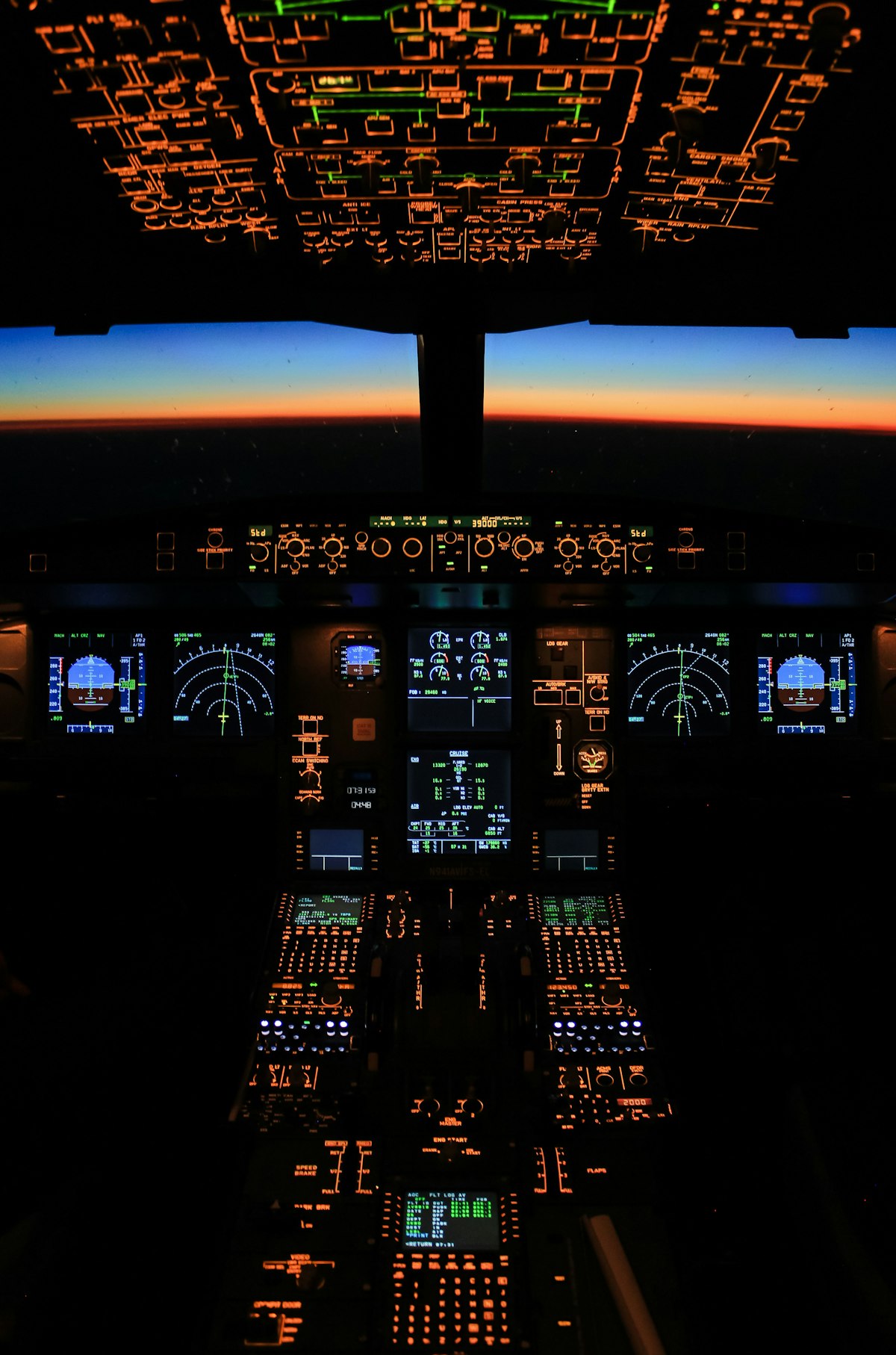
A321 has fly-by-wire with common type rating across the A320 family. Pilots switch between A319/A320/A321 with minimal retraining. That’s enormous for airline fleet flexibility and training costs.
The 757 shares a type rating with the 767, which provides its own fleet flexibility. Glass cockpit technology, familiar Boeing systems for pilots transitioning from other types.
Market Reality
The A321 is actively produced with thousands in service and orders still flowing. The 757 left production in 2004 but maintains a strong presence through existing fleets and cargo conversions. The used market is lively, especially for freighter conversions.
Environmental Picture
A321neo wins here definitively. CFM LEAP-1A or PW1100G engines represent current-generation efficiency. The 757’s older technology can’t match that, though winglet retrofits have helped somewhat. For airlines with sustainability commitments, the A321neo is the clear choice.
Cargo Capabilities
The 757 shines as a freighter — about 50,000 lbs capacity versus the A321’s 43,285 lbs. Boeing’s conversion programs have turned hundreds of passenger 757s into freighters. Combined with its range, the 757 is a cargo operator’s favorite.
What It Costs
A321neo is more economical for fuel and maintenance. Newer design means lower operating costs. The 757 costs more to run due to older technology and higher fuel consumption, but compensates with performance on routes where other narrow-bodies can’t operate profitably.
Maintenance and Fleet Economics
One thing that doesn’t get discussed enough: the total cost of keeping these aircraft flying. The A321neo benefits from modern design and commonality with the broader A320 family. Parts are readily available, maintenance procedures are standardized, and the sheer number of aircraft in service creates economies of scale that benefit every operator.
The 757, being out of production since 2004, faces gradually increasing parts costs and a shrinking pool of specialized mechanics. Airlines that still fly them have to balance the aircraft’s genuine performance advantages against rising maintenance expenses. For some routes and missions, the math still works. For others, it’s becoming marginal.
This is ultimately why the 757 will fade from passenger service over the next decade — not because it stopped being a capable airplane, but because the economics of supporting an aging fleet eventually tip against you. The cargo conversion market extends its useful life significantly, but the days of the 757 as a mainline passenger aircraft are numbered.
Who Flies What
United and American run extensive A321 fleets for domestic and transcontinental routes. European carriers like Lufthansa and BA use them for intra-European and short-haul international. Delta remains one of the largest 757 operators, especially for transatlantic service from secondary US cities. Icelandair uses 757s to connect Reykjavik with both North America and Europe.
What Comes Next
The A321XLR keeps pushing narrow-body range boundaries. The 757’s future lives in cargo and charter markets. Boeing’s potential NMA project could eventually address the gap the 757 leaves behind, but that’s years away at best. Meanwhile, both aircraft continue serving their respective niches — the A321 growing stronger, the 757 aging gracefully.
Recommended Aviation Gear
David Clark H10-13.4 Aviation Headset – $376.95
The industry standard for aviation headsets.
Pilots Handbook of Aeronautical Knowledge – $25.42
Essential FAA handbook for every pilot.
As an Amazon Associate, we earn from qualifying purchases.



Stay in the loop
Get the latest aviation data updates delivered to your inbox.