
Everything About the Cessna 172 RG Cutlass
Finding straight answers about the Cessna 172 RG has gotten complicated with all the forum debates and conflicting opinions flying around. Here’s my complete breakdown.
Why the RG Matters
The Cessna 172 RG — Cutlass RG to its friends — represents something specific in the Cessna lineup. It takes the world’s most popular trainer and adds retractable gear, creating a stepping stone for pilots moving toward more complex aircraft. The aerodynamic improvement from tucking the gear away translates to real performance gains: higher speeds, better fuel efficiency, and a more capable cross-country machine.
Under the Hood
The 172 RG is powered by a Lycoming O-360-F1A producing 180 horses. That’s enough to push you to about 140 knots in cruise — a solid improvement over fixed-gear 172 models. The retractable gear system is hydraulically operated and controlled by a lever in the cockpit. There’s a constant-speed propeller too, adding another system pilots need to manage.
Wingspan runs 36 feet 1 inch, overall length 27 feet 2 inches. Takeoff distance of roughly 1,350 feet, landing in about 600. Fuel capacity around 62 gallons gives you serious range for cross-country work. These are practical numbers that work in real-world flying conditions.
What the Cockpit’s Like
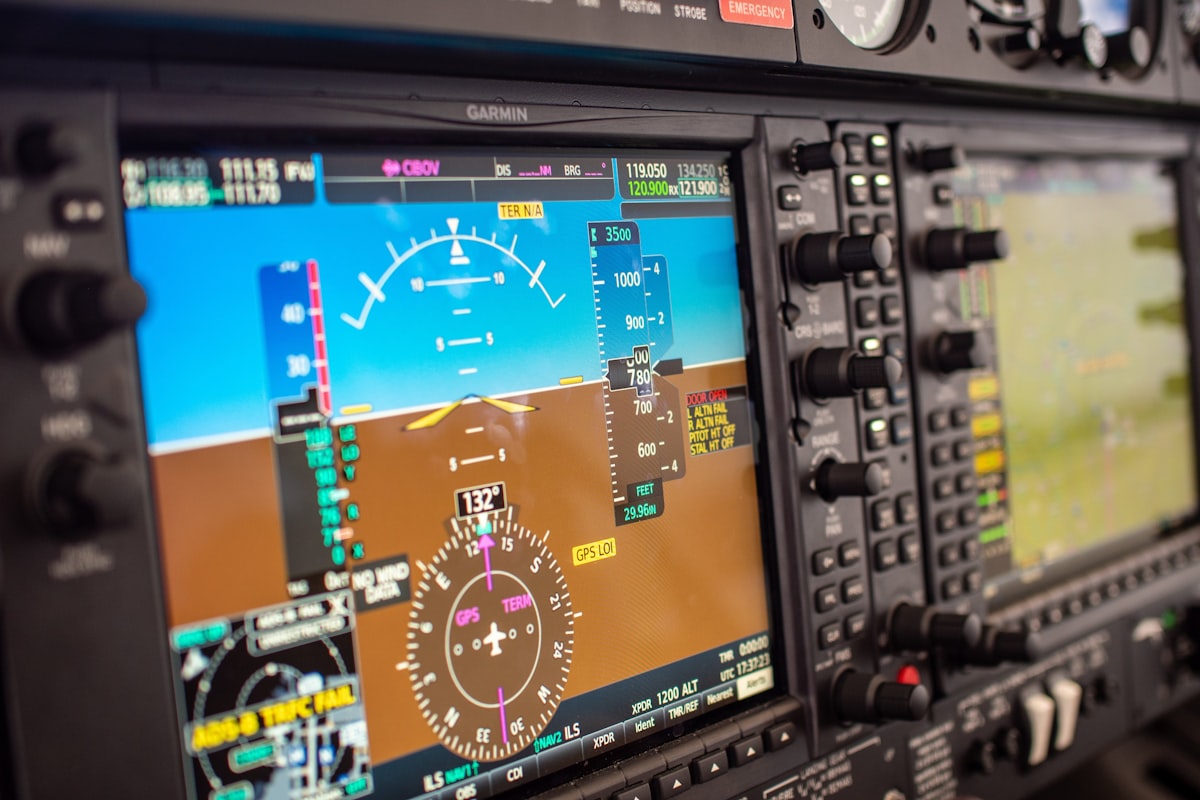
Standard Cessna ergonomics, which means clean and functional. Many have been upgraded with modern GPS units like the Garmin GNS 430 or newer. The cabin seats four with that classic high-wing visibility the 172 family is known for. You won’t mistake it for a Citation, but it’s a comfortable and practical workspace.
The Flying Experience
The Lycoming is smooth and dependable. Retracted gear means less drag and a cleaner flight profile. Climb rate of about 800 feet per minute is respectable. The aircraft feels planted and predictable, which builds confidence when you’re learning complex aircraft operations.
Approach speeds are higher than fixed-gear models — you need to plan your descents and energy management more carefully. But that’s part of the training value. Learning to manage a faster, cleaner airplane prepares you for what comes next in your flying career.
Training Applications
Flight schools use the 172 RG primarily for complex endorsements and advanced ratings. Students learn retractable gear management, constant-speed prop operations, and emergency procedures like gear malfunctions and manual extension. These skills directly prepare pilots for commercial flying and more sophisticated aircraft.
The learning curve isn’t steep if you already know the 172 platform. The new systems add workload, but the airframe behavior remains familiar. That combination of new challenges in a known environment is ideal for building competence without overwhelming students.
Maintenance Reality
The retractable gear system is the maintenance elephant in the room. Hydraulic components need regular inspection, gear rigging needs checking, and actuator health matters. Annual inspections cost more than a fixed-gear 172. Parts are available through Cessna’s support network, but specialized work on the gear system may require a mechanic with type-specific experience.
Budget accordingly and keep up with the maintenance schedule. A well-maintained 172 RG is reliable and safe. A neglected one will cost you in unexpected ways.
Buying Used
The used market for 172 RGs stays healthy. Resale values reflect the aircraft’s dual role as trainer and personal transport. When shopping, scrutinize the gear system maintenance logs above all else. Avionics upgrades add value — a 172 RG with a modern glass panel is a different animal than one with original steam gauges.
172 RG vs Piper Arrow
The eternal debate. Both are retractable gear trainers with loyal followings. The Cessna offers high-wing visibility and that familiar 172 feel. The Piper gives you low-wing handling and a slightly different flight character. Either will get the job done. My suggestion: fly both and see which fits your style. The “better” aircraft is whichever one you fly more comfortably.
Practical Uses
Beyond training, the 172 RG works well for cross-country personal travel, aerial survey and photography, and general recreational flying. The performance improvement over fixed-gear models is real and meaningful for anyone covering distance regularly. It’s one of those aircraft that does several things well without being the absolute best at any one of them — and that versatility is its strength.




Stay in the loop
Get the latest aviation data updates delivered to your inbox.